

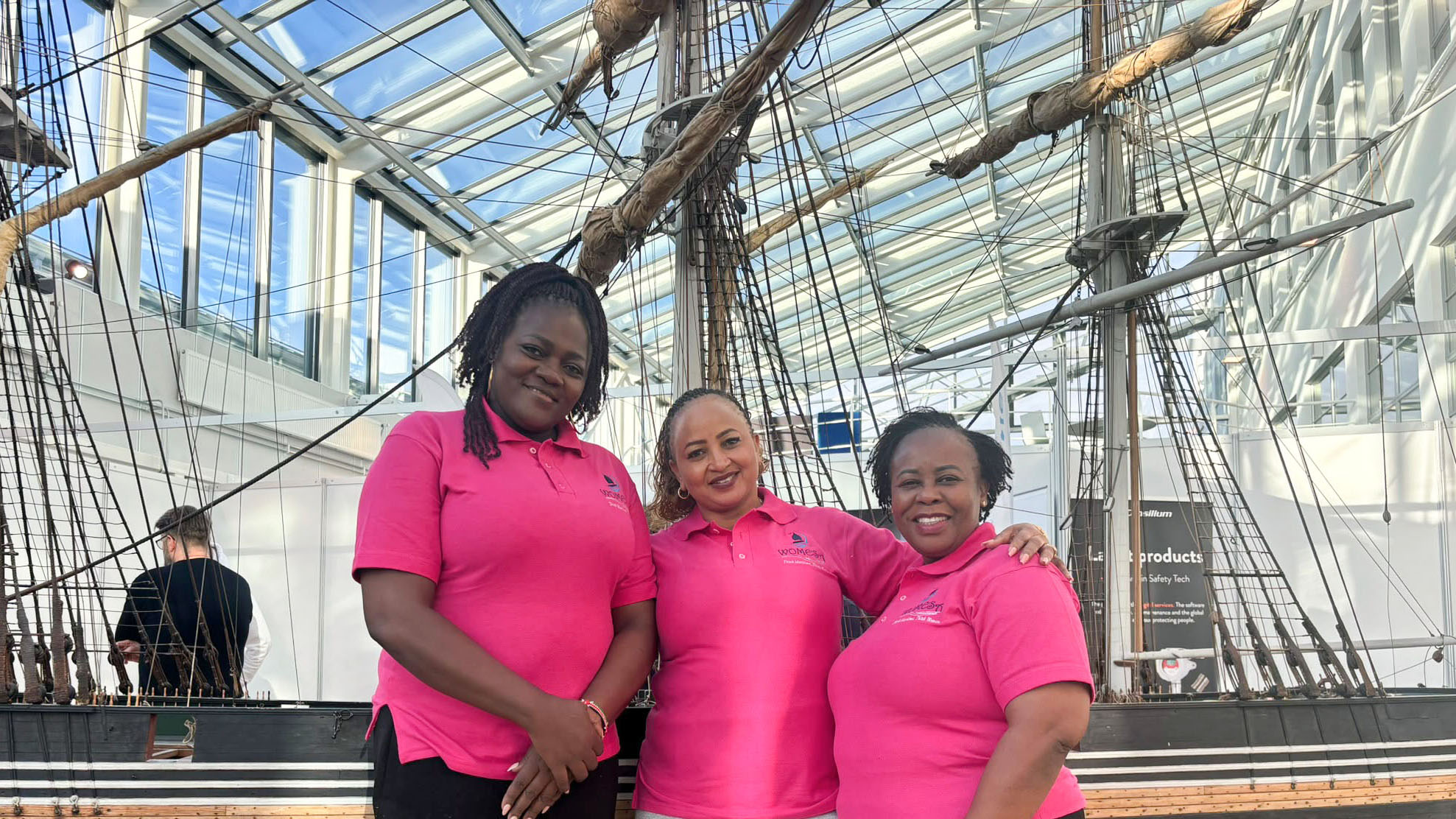
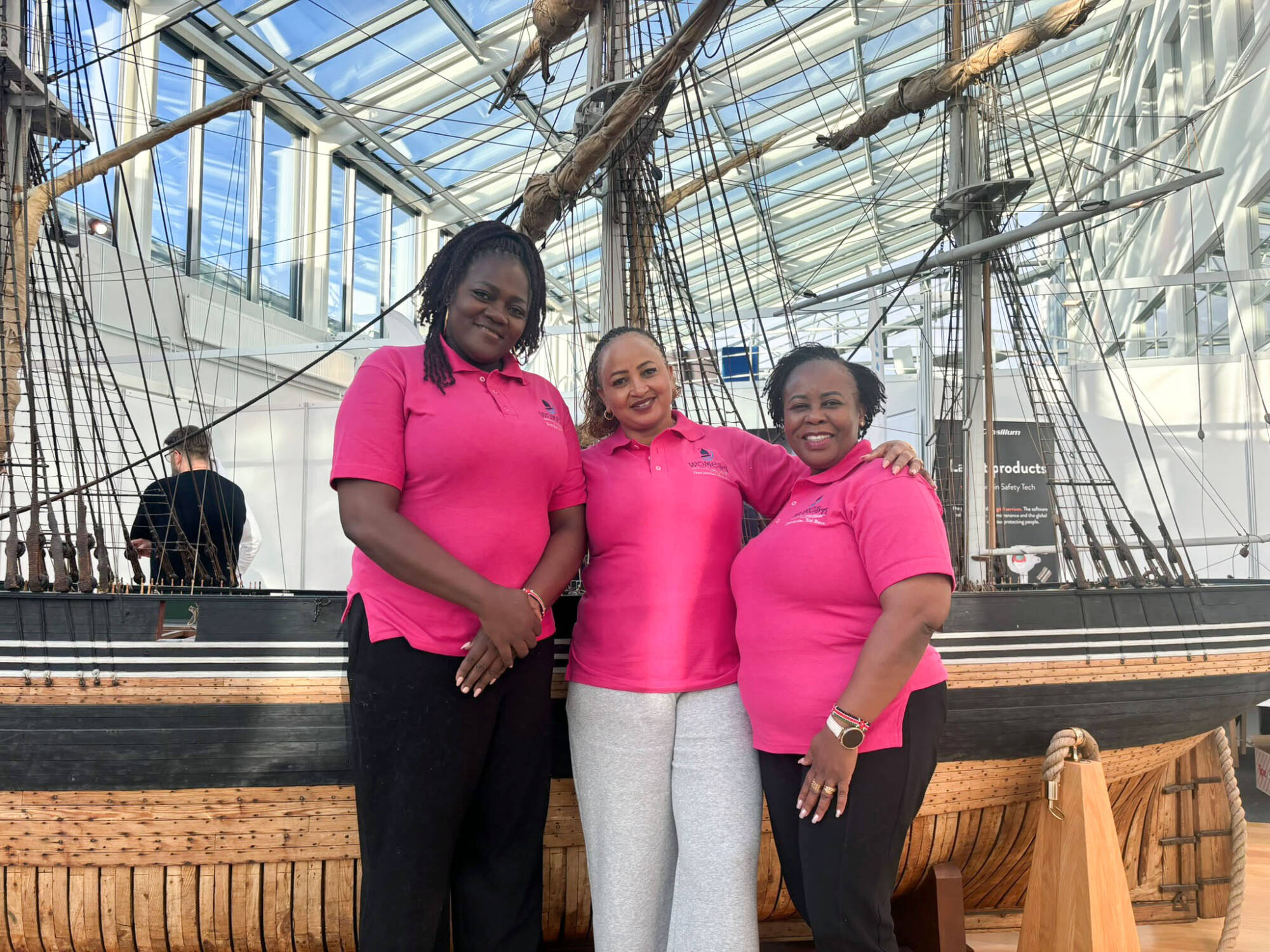
In the photo from left: Noreen Ouma, Irene Kurgat and Evelyn Mwamure from WOMESA in Mombasa, Kenya.
The maritime sector remains largely male-dominated, but the Women in Maritime of Eastern and Southern Africa (WOMESA) is working to change that. Through mentorship, education and role models, the organisation encourages more girls and women to see maritime as a possible career path.
WOMESA was established in 2007 with support from the International Maritime Organization (IMO). The Kenyan chapter was launched in 2010 as the organisation’s first national chapter. Today, 13 countries in the region have established local chapters.
According to Evelyn Mwamure from Kenya Ports Authority and WOMESA, women have traditionally been underrepresented in maritime professions despite having the expertise needed to succeed. WOMESA therefore works to increase women’s participation in the sector and encourage women to take on different professional and leadership roles.
Representatives from Kenya’s maritime sector recently visited Novia University of Applied Sciences to collaborate on several RDI projects. WOMESA was in Finland at Aboa Mare’s Maritime Fair as part of the IMPACT Project delegation from Kenya visiting Finland.
“Progress is already visible. Women are working as maritime pilots and engineers and are increasingly taking up leading positions in port authorities, government ministries and other parts of the maritime sector”, Mwamure says.
Reaching girls beyond the major cities
An important part of WOMESA’s work in Kenya is mentorship. Irene Kurgat from WOMESA’s Mentorship Committee explains that many girls in rural areas have limited knowledge of the maritime sector and the career opportunities offered by the blue economy.
WOMESA therefore reaches out to girls in rural communities to introduce them to maritime education and professions. Mentoring also focuses on building confidence and preparing young women for working life.
“We raise their self-esteem because some of us were brought up in the rural areas. We can use ourselves as an example and show them that they can do it too,” Kurgat says.
Progress and challenges in Finland
While the situation in Finland differs from Kenya, women working in the Finnish maritime sector also encounter barriers in a traditionally male-dominated industry.
Sannikka Björklund is involved in Ånikvi, which was founded in 2024 to support female students in maritime and is working to strengthen the position and visibility of women in shipping. According to Björklund, one important step is simply making women more visible in the industry.
She describes shipping as a conservative sector where traditions and established hierarchies remain strong. For women entering the profession, gaining acceptance on board can therefore take time.
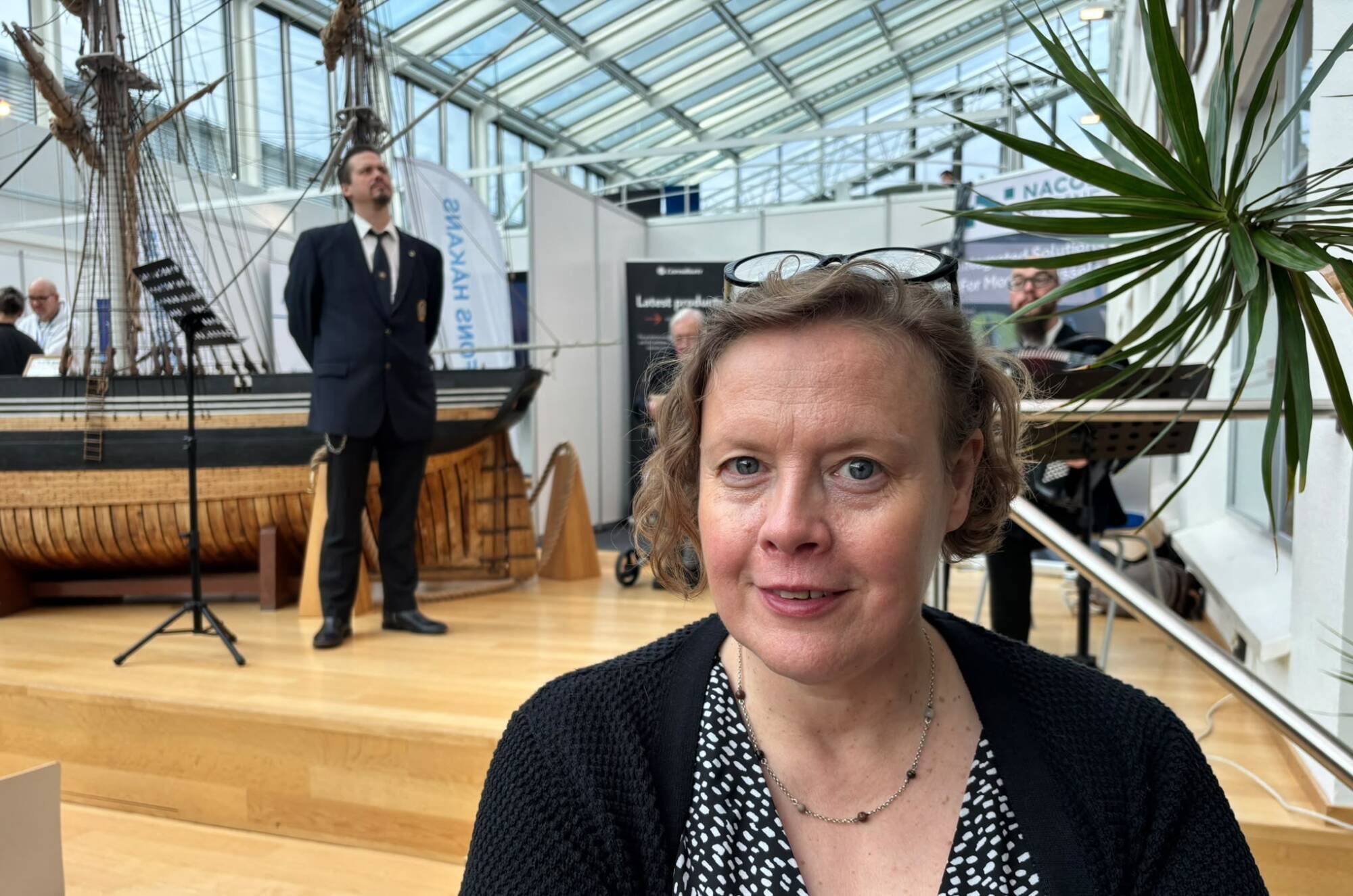
Sannikka Björklund, an active member of Ånikvi, an association supporting female maritime students at Novia UAS.
“Women may have to work harder to find their place on board and gain acceptance. But once you have established your position and colleagues accept and support you, the situation changes,” Björklund says.
At the same time, she sees encouraging signs. Interest in maritime education among women is growing. According to Björklund, 29 women started maritime studies at Novia this autumn, compared with 16 the previous year and around 10–12 annually in earlier years.
Learning across borders
During their visit to Finland, the WOMESA representatives met women from the Finnish maritime sector and learned about their experiences and achievements.
Although women in Kenya and Finland may face different circumstances, the discussions highlight a shared challenge: changing perceptions of who belongs in the maritime sector. Greater visibility, mentoring and female role models can help more women see maritime as a realistic career choice.
For WOMESA, the exchange also provides experiences and ideas that can be taken back to Kenya as the organisation continues to encourage the next generation of women to pursue maritime careers.